Forests to understand farms
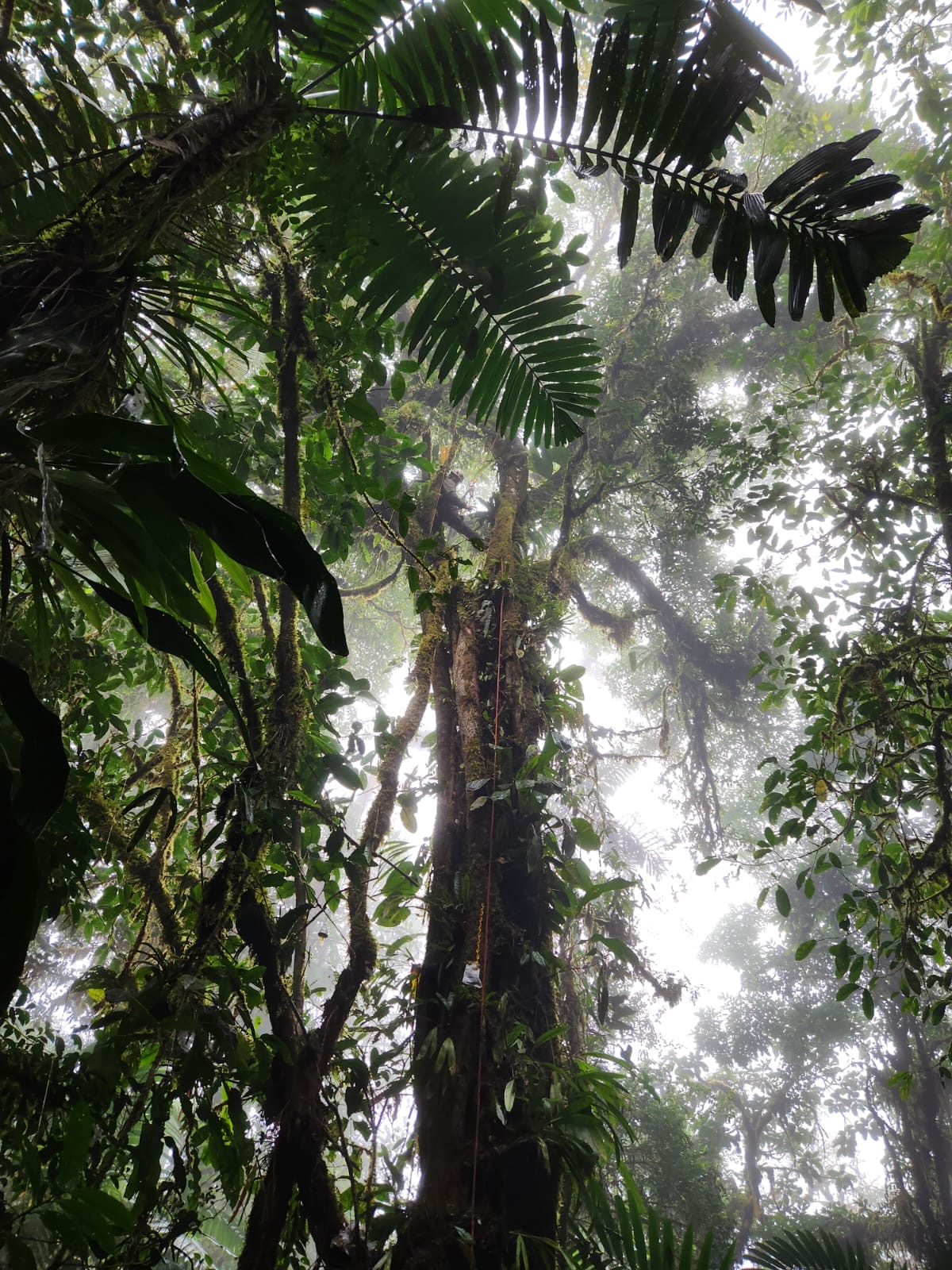
Forests maintain high productivity through tight nutrient recycling and complex interactions above and belowground. Understanding how forests feed themselves can inform how we design sustainable, productive landscapes.
I'm an ecologist and biogeochemist. I look for natural experiments in forests, on farms, and anywhere else natural or built contrasts provide opportunity. I use metagenomics, stable isotopes, environmental analyzers, and a host of other tools to pursue the mechanisms beneath the phenomena we observe.
I use basic science to design applied systems, and applied systems to understand basic science.
Forests maintain high productivity through tight nutrient recycling and complex interactions above and belowground. Understanding how forests feed themselves can inform how we design sustainable, productive landscapes.
Farms and pastures are among the most interesting 'natural laboratories' scientists can study. Decades of fertilization, grazing, and amendment have left gradients we can use to understand coexistence, nutrient dynamics, and assembly theory at scale.
Manure is a good way to recycle nutrients and build soil health, but it can carry antibiotic resistance genes into soils and onto crops. Composting should be one solution to our problem: the high temperatures of compost should kill pathogens and degrade DNA that may carry antibiotic resistance genes. In practice the results are mixed, and my USDA project is about why. Either the resistance genes stick around because they give their hosts a competitive advantage, or a badly turned pile keeps resources separated in space and time, so poor competitors survive in pockets that better mixing would clear out.
Recent first-author and co-first-author papers.
Harvest-based removal of legacy phosphorus from historically fertilized ranchland.
A single fungal taxon as a predictor of plant nutrient status across a managed grassland.
Microbial community and functional gene turnover along an urbanization gradient.
Theory linking soil fungal traits to coexistence and diversity maintenance.
Always interested in new collaborations, speaking invitations, and conversations about ecology and sustainability.
petticordd@caryinstitute.org