Forests to understand farms
Forests maintain high productivity through tight nutrient recycling and complex interactions above and belowground. Understanding how forests feed themselves can inform how we design sustainable, productive landscapes.
A fertilized pasture beside an unfertilized one, a canopy soil against the forest floor — these are natural experiments. Understanding what separates two obviously different settings is often the clearest way to see how limitation governs assembly. We can visually observe where evergreen trees cede to deciduous trees — can we leverage that contrast to understand if certain nutrient conditions favor one form of plant community over another? More interestingly, is it that plants arrive as a consequence of the underlying environment, or that the presence of certain plants drives shifts in soil resources?
I use basic science to design applied systems, and applied systems to understand basic science.
Forests maintain high productivity through tight nutrient recycling and complex interactions above and belowground. Understanding how forests feed themselves can inform how we design sustainable, productive landscapes.
Farms and pastures are among the most interesting 'natural laboratories' scientists can study. Decades of fertilization, grazing, and amendment have left gradients we can use to understand coexistence, nutrient dynamics, and assembly theory at scale.
Manure is a good way to recycle nutrients and build soil health, but it can carry antibiotic resistance genes into soils and onto crops. Composting should be one solution to our problem: the high temperatures of compost should kill pathogens and degrade DNA that may carry antibiotic resistance genes. In practice the results are mixed, and my USDA project is about why. There are two likely explanations and both are community ecology. Either the resistance genes stick around because they give their hosts a competitive advantage, or a badly turned pile keeps resources separated in space and time, so poor competitors survive in pockets that better mixing would clear out. Sorting that out gives you a composting protocol. It also tells you how much niche overlap it takes to push a weak competitor out.
Ongoing work at the Cary Institute, in Florida, and in Panama.
Awarded a USDA New Investigator Grant to lead an independent project on how composting can reduce the transfer of antibiotic resistance genes from manure to food crops. Tests whether resistance genes persist because they confer a competitive advantage, or because poorly turned piles separate resources in space and time and leave refugia for weak competitors.
Multi-stressor field experiments testing how microbe, invertebrate, and plant communities respond to global change factors, both independently and in combination. One question is whether compound stress pushes organisms across kingdoms toward the same conservative, low-investment strategies.
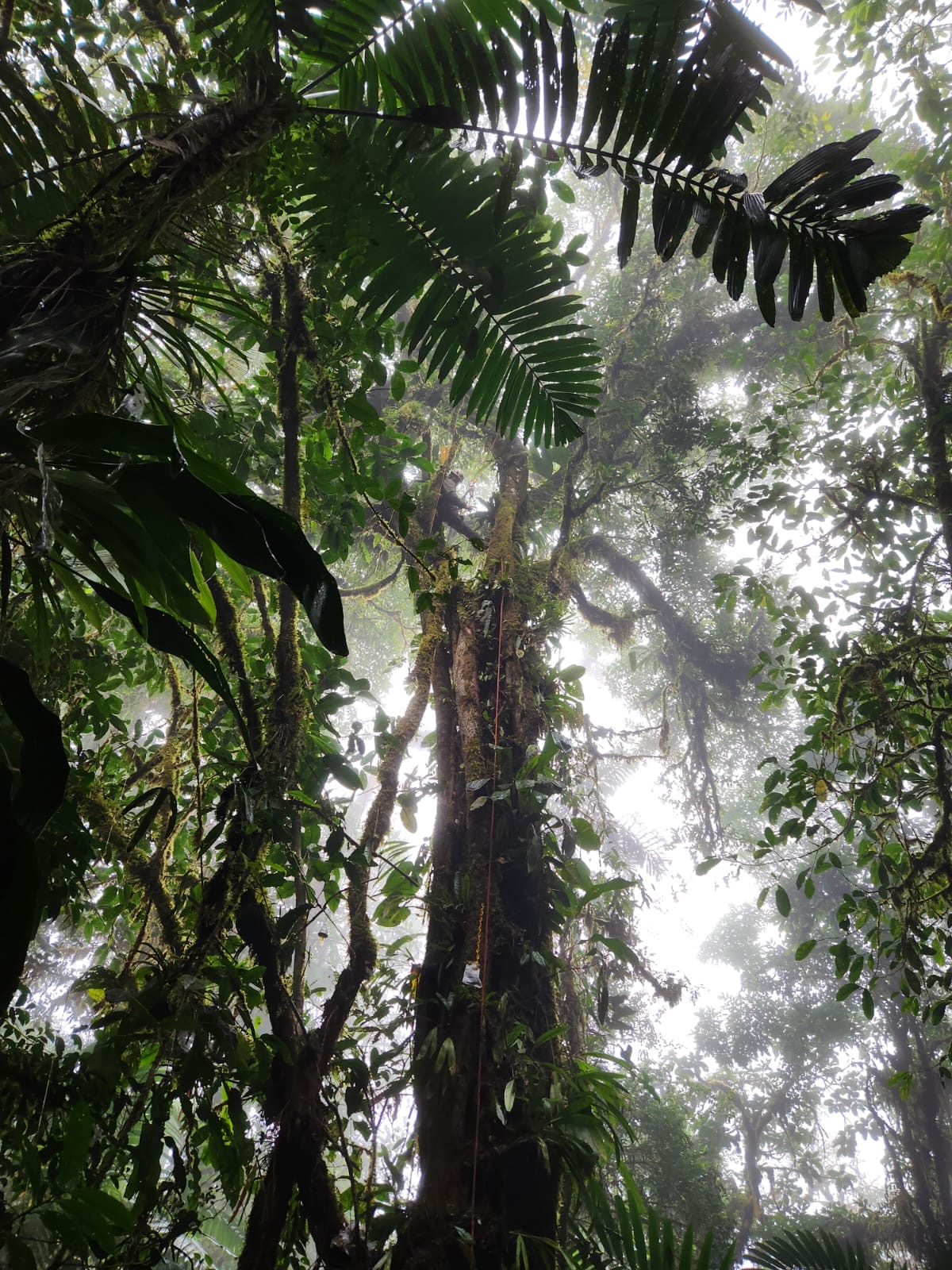
Canopy soils are isolated, resource-poor pockets of organic matter suspended above the forest floor. I'm investigating how microbial communities assemble there, and what that says about nutrient cycling and carbon dynamics under severe limitation.
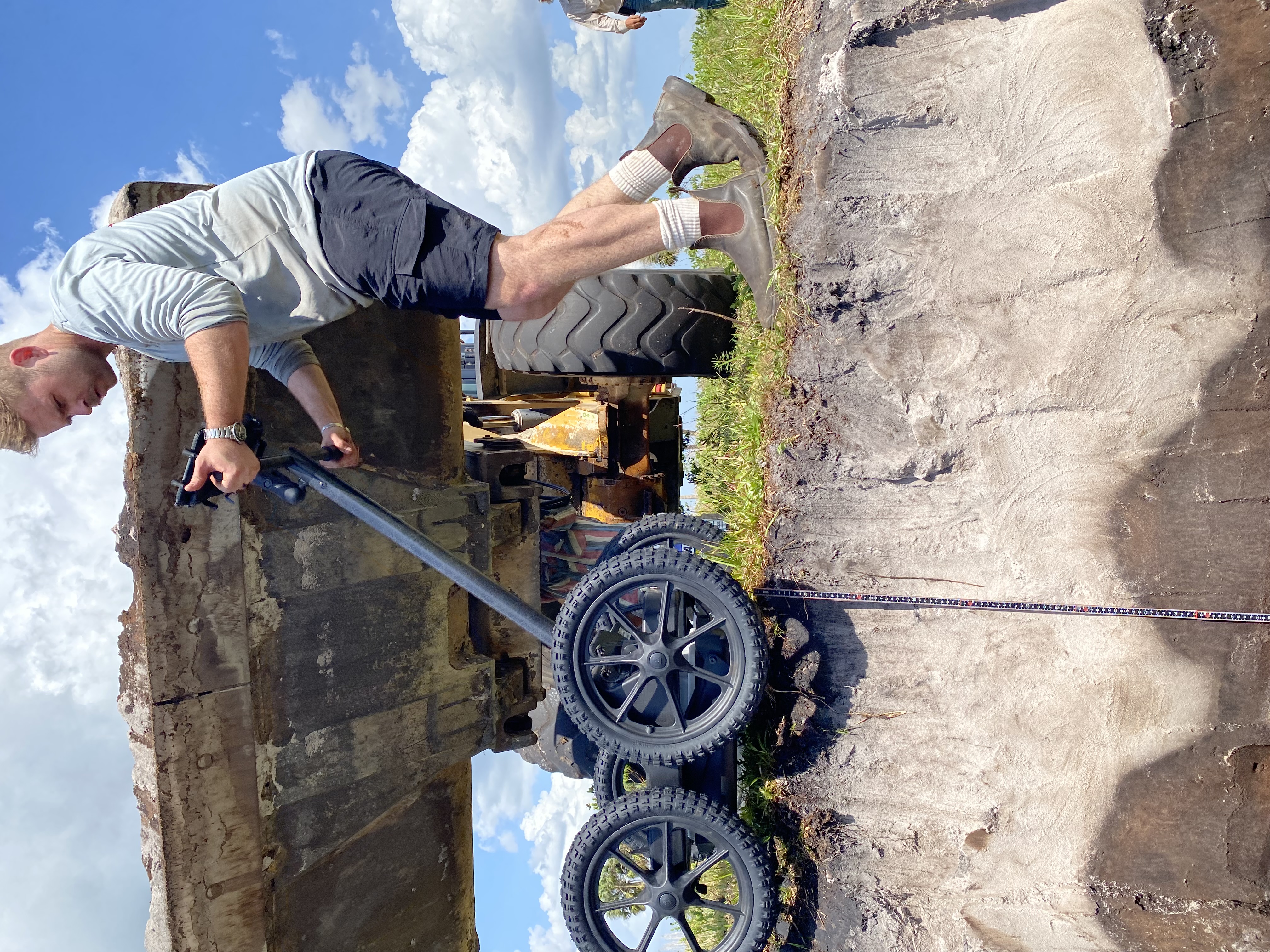
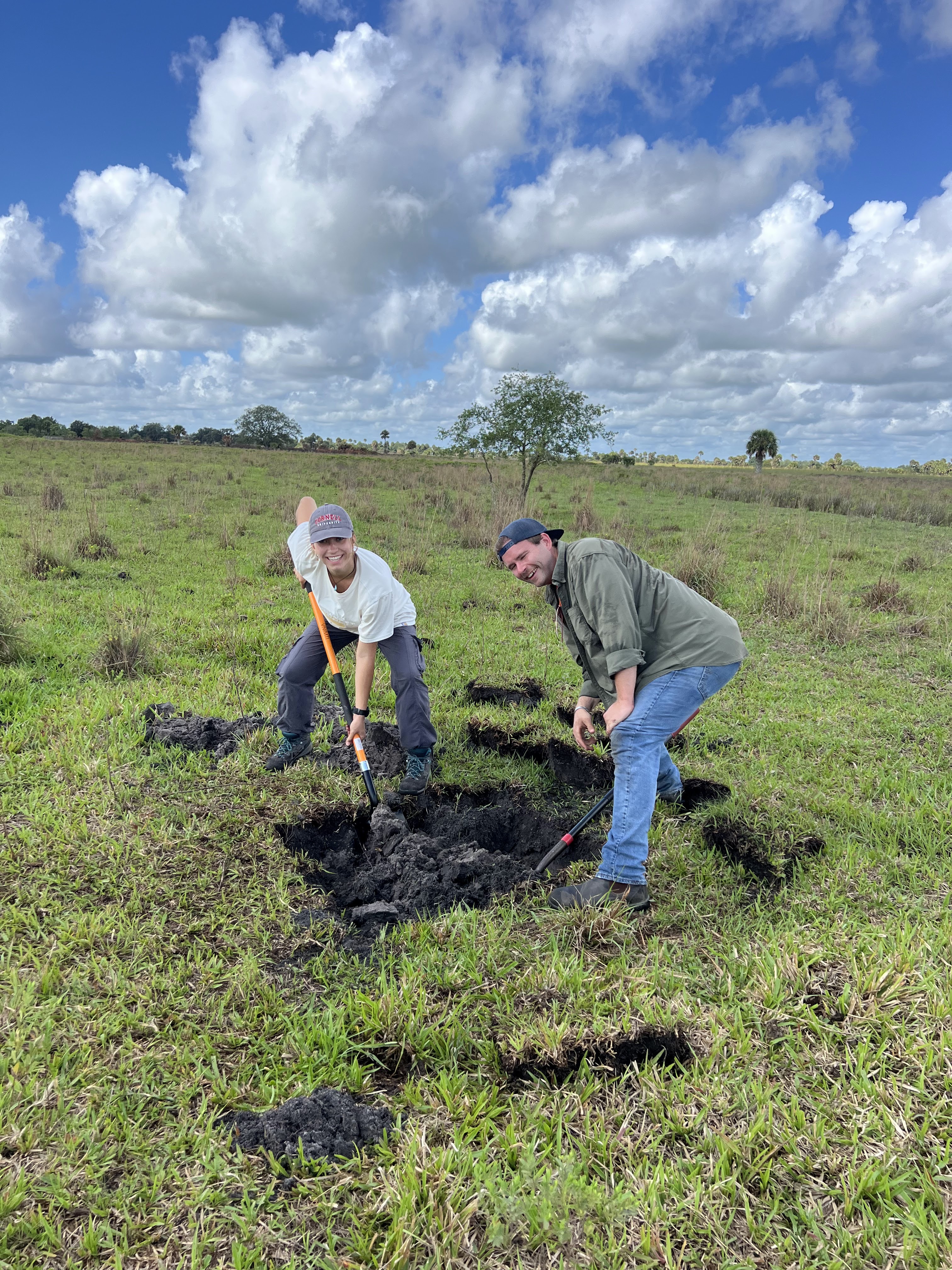
Florida ranchland sits on podzolized soils with buried organometal horizons that bind phosphorus and carbon together. I use ground-penetrating radar to map where those layers sit across a whole landscape, without digging. When the water table rises and falls, the resulting redox fluctuation can break those associations apart and free what they hold. In natural systems that is a deep, redox-controlled step in how phosphorus cycles. In fertilized ones it is a vulnerability: the same horizons have been storing applied phosphorus for decades, and a shift in redox conditions could leak it into surface water and drive eutrophication.
Investigating how conspecific negative density dependence mediated by soil fungi maintains tropical tree diversity, with implications for the role of phosphorus as a key limiting nutrient.
A few of the tools I use.
Quantifying phosphorus, carbon, and nitrogen pools and the forms they take. Extractant-based fractionation to separate available nutrients from bound ones, spectral characterisation of dissolved organic carbon compounds, and molecular diversity of soil organic carbon.
EA-IRMS, GC-IRMS, and GC-FID. I ran the instruments as a research technician at the Cornell Stable Isotope Laboratory from 2020 to 2022, and earlier on GC-FID in the Zhang Lab at Princeton. Isotope tracing runs through much of my carbon and nutrient cycling work.
In-field gas analysis, particularly CO2 and methane flux measured in situ rather than inferred from a lab proxy, alongside benchtop elemental and nutrient analysis.
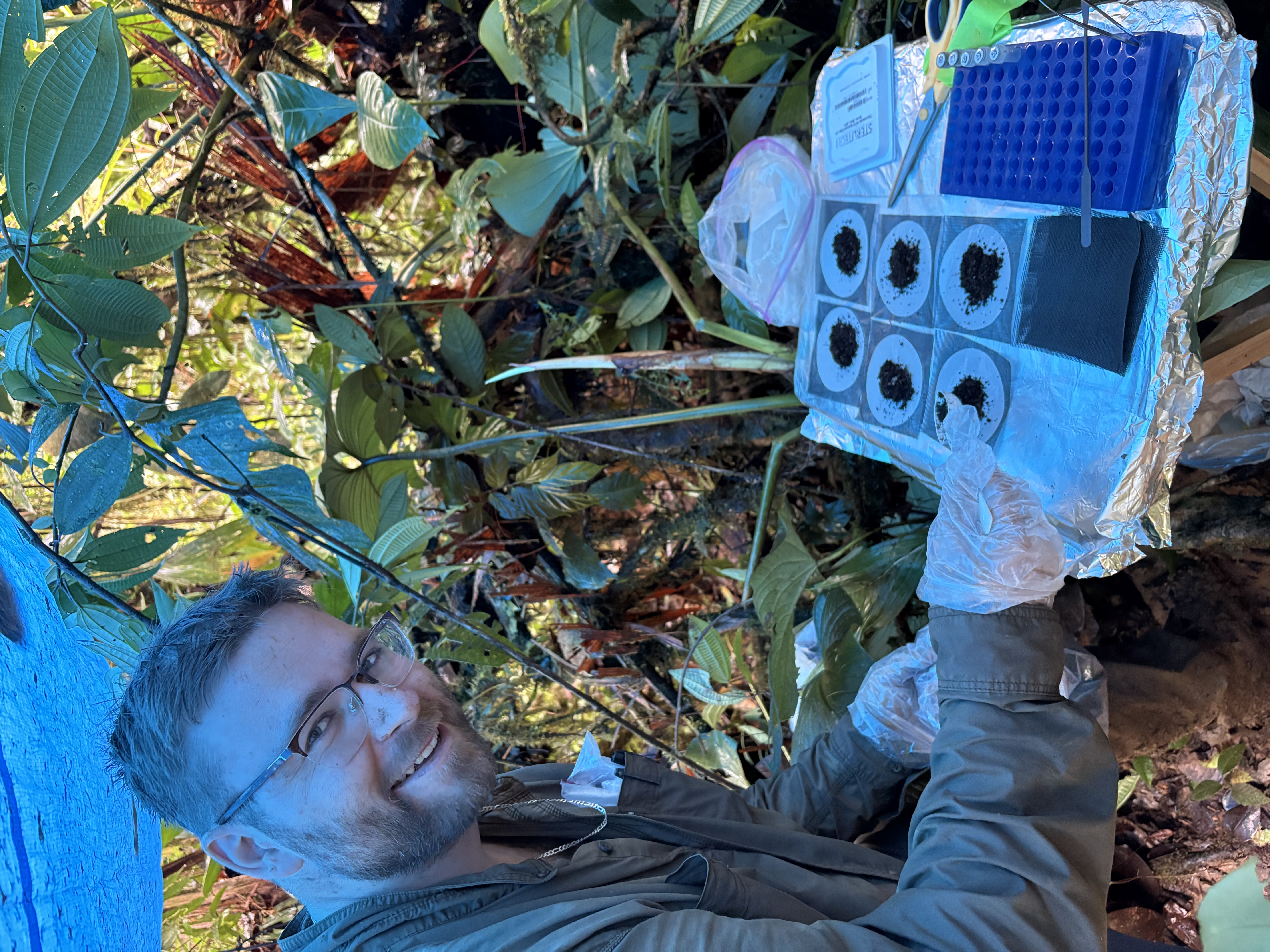
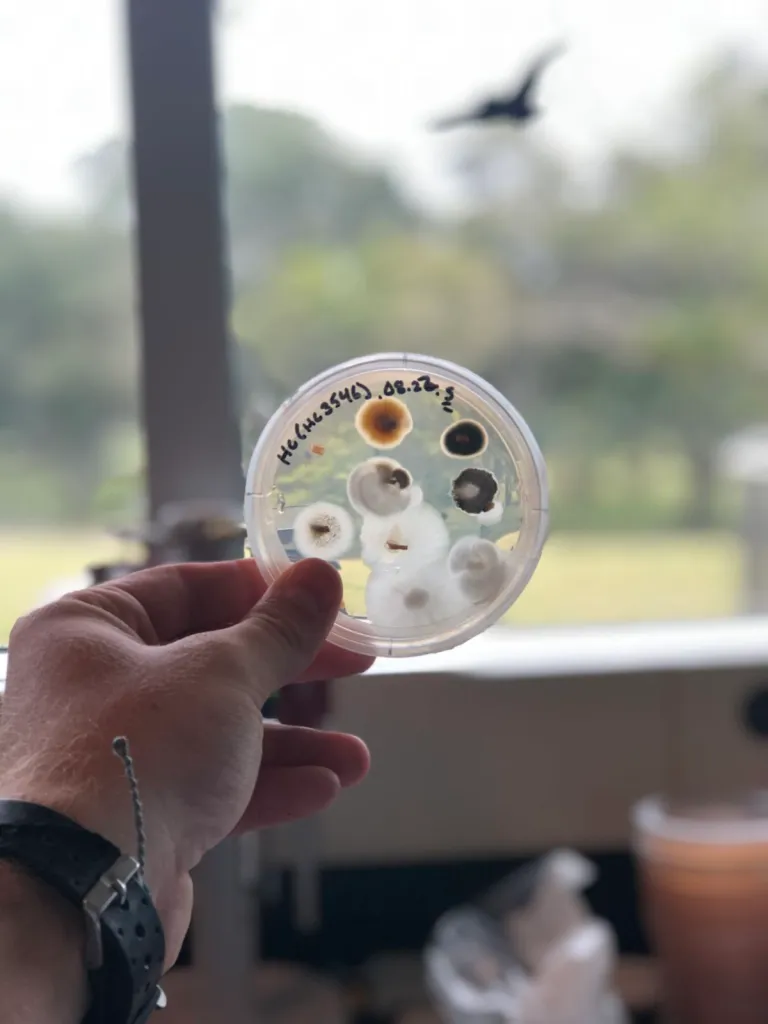
Soil and phyllosphere metagenomics, functional and resistance gene profiling, molecular genetics, and clean-lab fungal isolation. Published in New Phytologist, Soil Biology and Biochemistry, Applied Soil Ecology, and Ecology, and underpins my USDA project on antibiotic resistance genes in manure.
Plant and root trait measurement — morphology, allocation, and tissue chemistry — used to place species in economic trait space and quantify the trade-offs between acquiring resources and conserving them.
Ground-penetrating radar and UAS survey. I use GPR to map subsurface phosphorus in Florida ranchland, and was invited to lecture on using ground-penetrating radar at Rutgers in 2025. My drone work at Princeton was featured by Microsoft.