Research / 04

Plant–Soil Feedbacks & Tropical Diversity

How do belowground interactions between plants and soil microbes maintain the extraordinary diversity of tropical forests? This research thread, rooted in my time at the Smithsonian Tropical Research Institute in Panama, examines how mutualist and pathogen fungi mediate conspecific negative density dependence (CNDD) — a key mechanism thought to promote species coexistence.

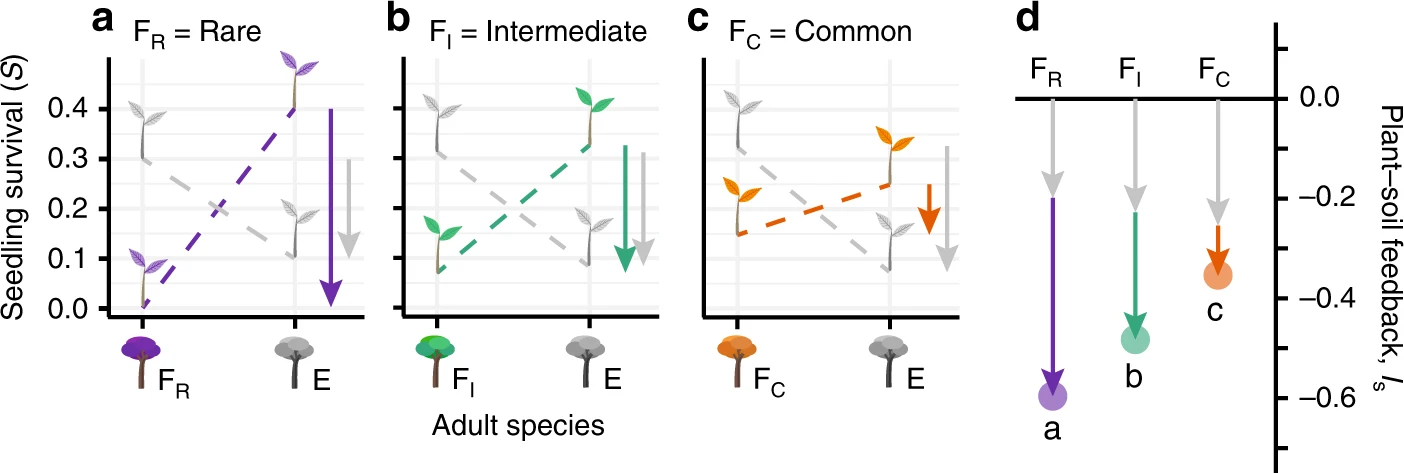
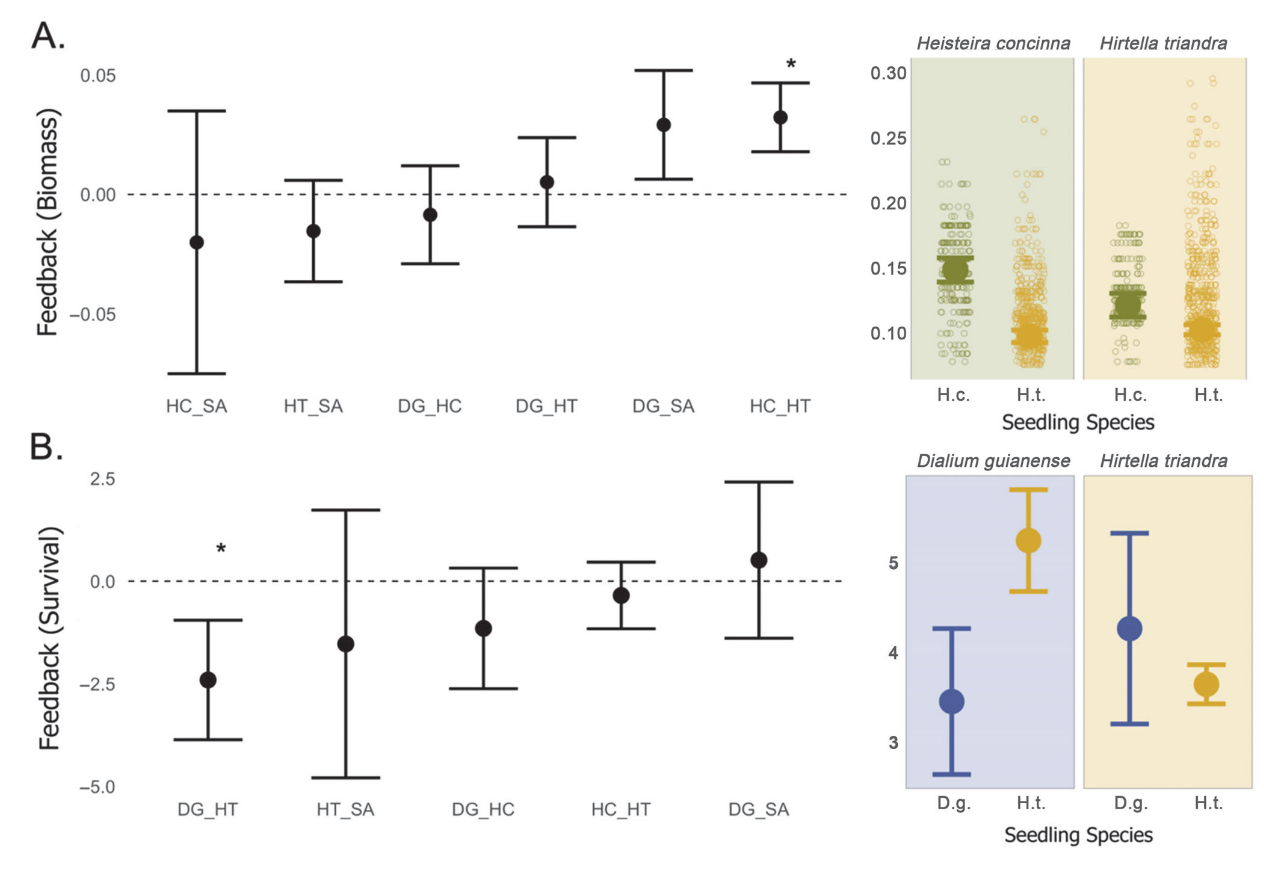
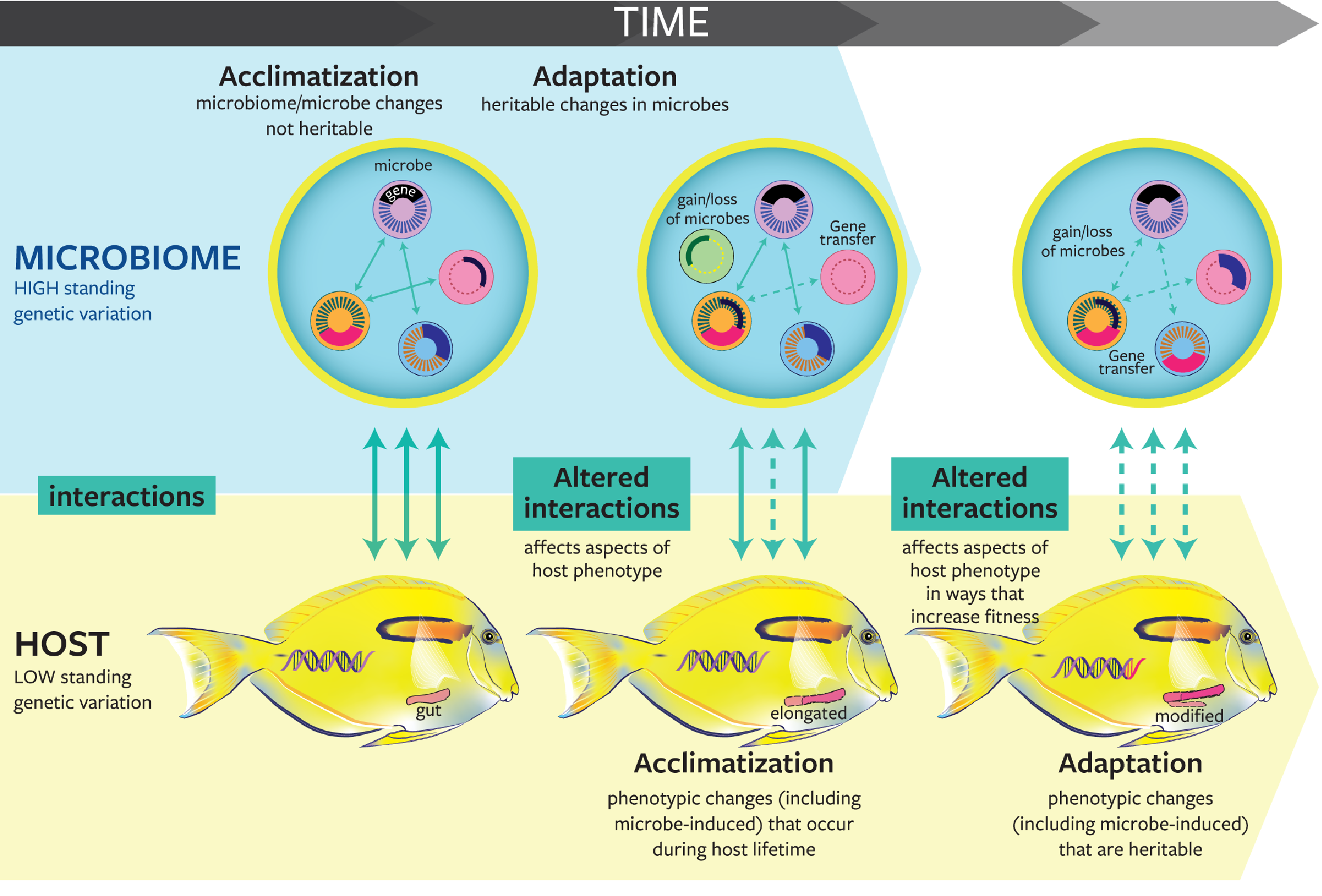
A co-authored paper in Nature Communications showed that the interaction between mutualist and pathogen traits shapes plant community structure, while work in Ecology (top 10% most viewed) demonstrated that fungal community dissimilarity predicts plant–soil feedback strength. A review in PLOS Biology outlined how natural experiments and long-term monitoring are critical for understanding marine host–microbe ecology.

Looking ahead, I am interested in how phosphorus as a limiting nutrient may be a key to understanding tropical diversity — bridging this work back to my phosphorus cycling research.
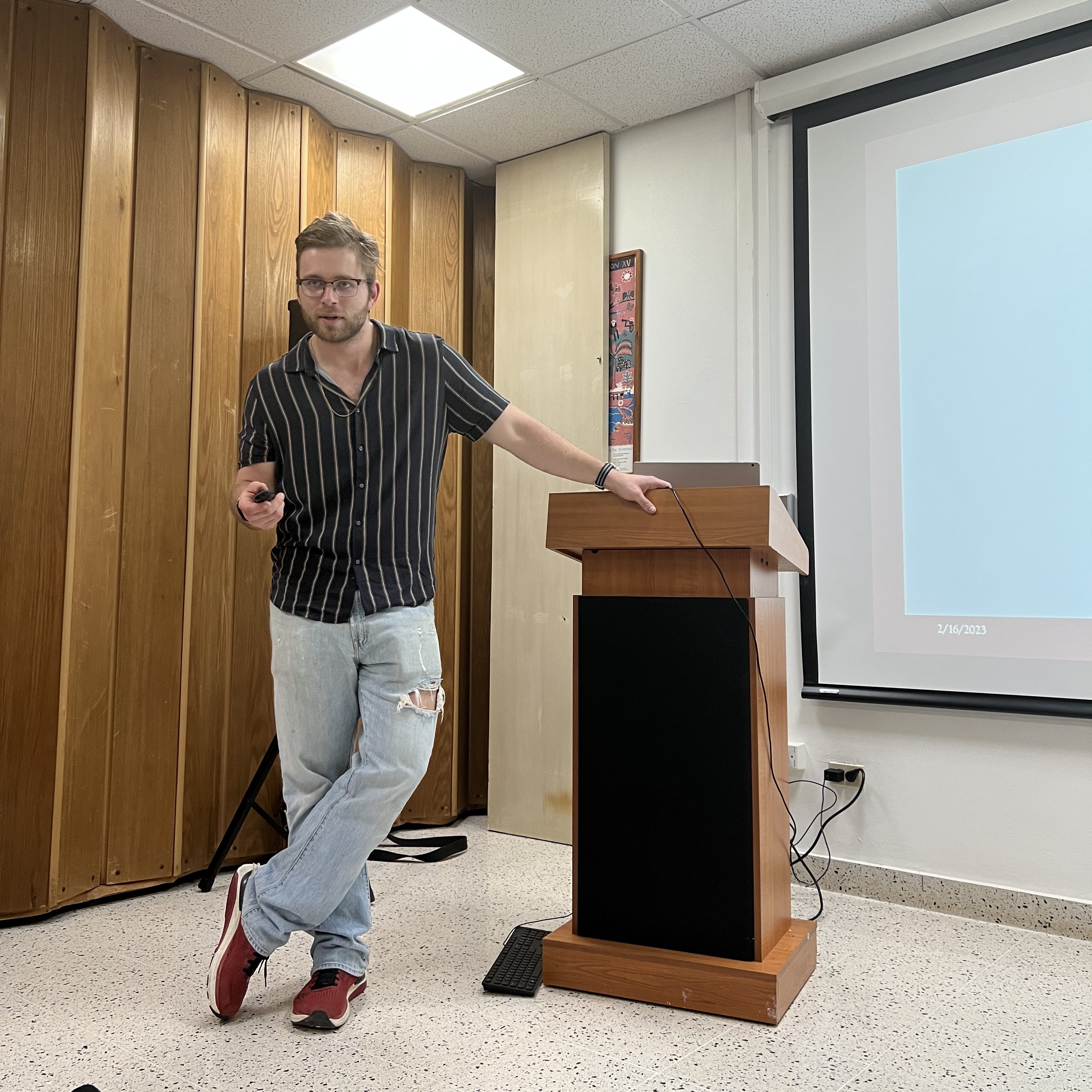
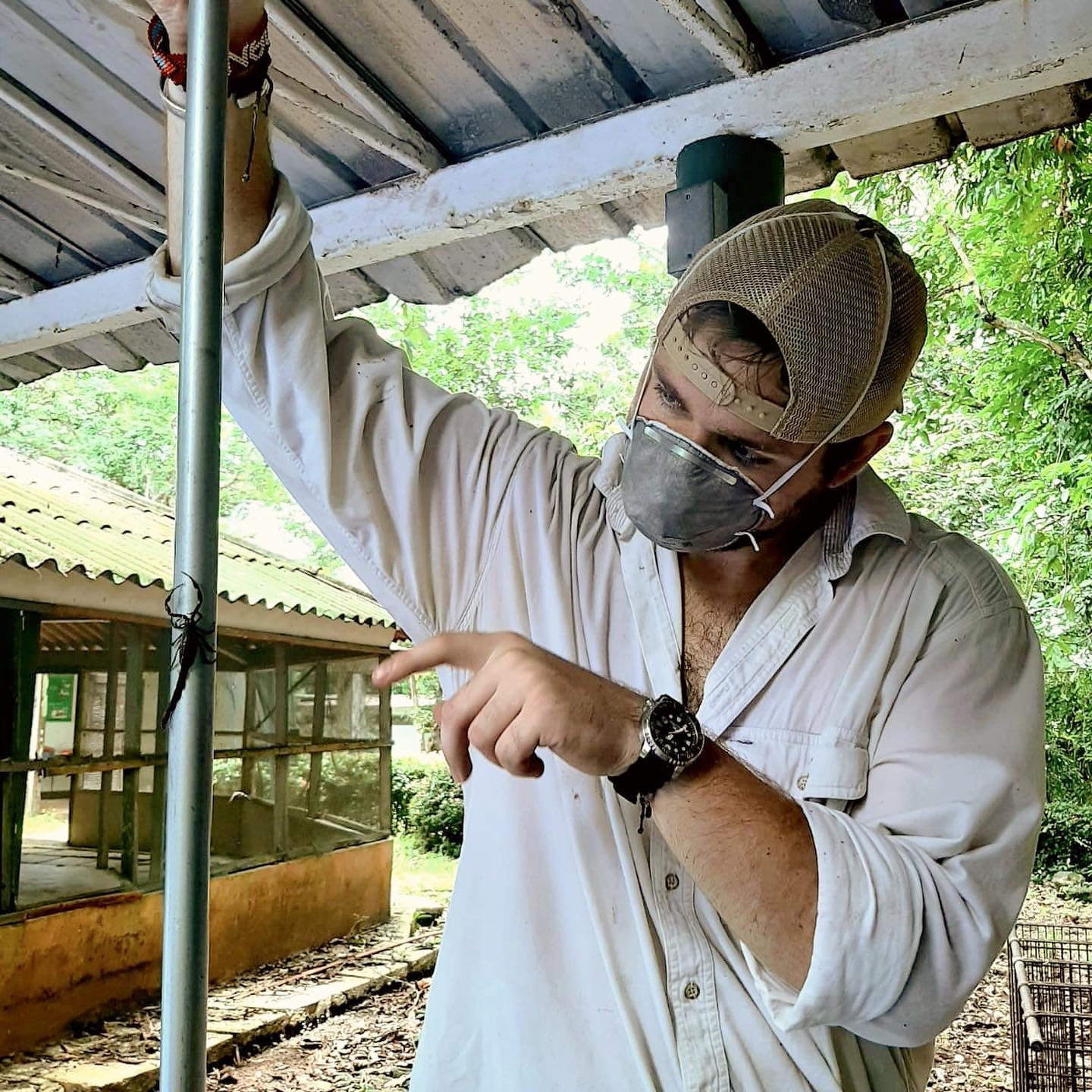
Presenting research in Panama
Related Publications
J. W. Schroeder, A. Dobson, S. A. Mangan, D. F. Petticord, E. A. Herre, "Mutualist and pathogen traits interact to affect plant community structure in a spatially explicit model"
Nature Communications, vol. 11, p. 2204, 2020
doi: 10.1038/s41467-020-16047-5 →
Paper figure
C. S. Delavaux, ..., D. F. Petticord, ..., "Fungal community dissimilarity predicts plant–soil feedback strength in a lowland tropical forest"
Ecology, vol. 105, no. 1, e4200, 2023 — Top 10% most viewed
doi: 10.1002/ecy.4200 →
Fungal dissimilarity figure
M. Leray*, L. G. E. Wilkins*, ..., D. F. Petticord, ..., "Natural experiments and long-term monitoring are critical to understand and predict marine host–microbe ecology and evolution"
PLOS Biology, vol. 19, no. 8, e3001322, 2021
doi: 10.1371/journal.pbio.3001322 →
Paper figure
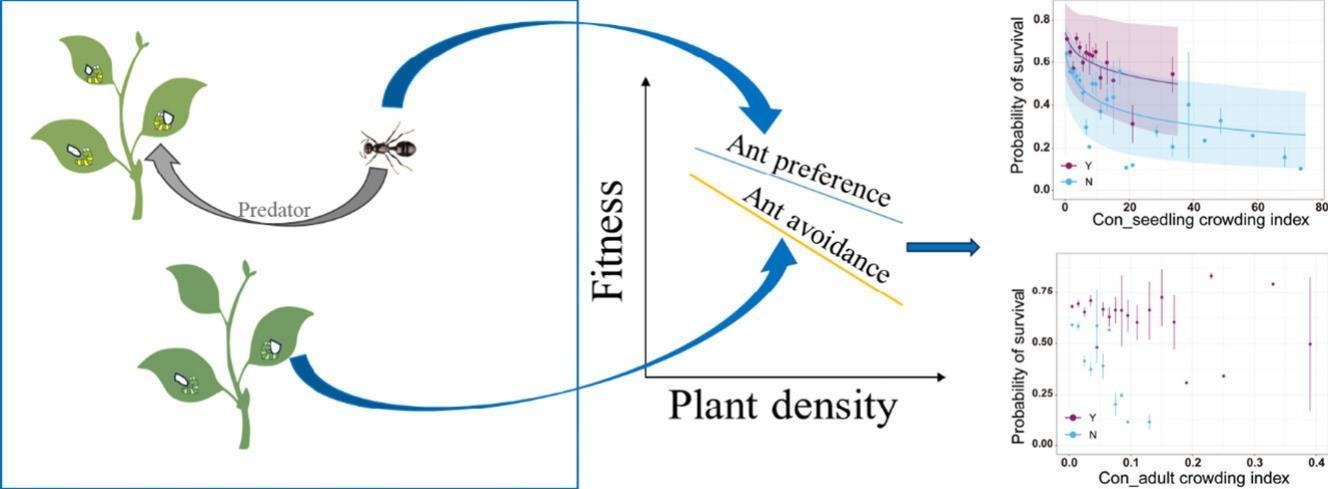
G. Zhou, Y. Qin, D. F. Petticord, et al., "Plant-ant interactions mediate herbivore-induced conspecific negative density dependence in a subtropical forest"
Science of The Total Environment, vol. 927, p. 172163, 2024
doi: 10.1016/j.scitotenv.2024.172163 →
Paper figure
← Prev: Carbon Cycling in Forests Next: Phosphorus Cycling & Phytoremediation →
Get in touch.
I'm always interested in new collaborations, speaking invitations, and conversations about ecology and sustainability.
petticordd@caryinstitute.org